Sheboygan County Wisconsin Police Scanner Live Audio Feed
30th March 2026
We are sharing daily live scanner feeds from Sheboygan Scanner with a 15-minute update interval, ensuring you receive fresh, accurate, and continuous public safety information as events unfold.
Sheboygan Scanner
06:30 am 22xx North 9th – Subject with possible blood infection – Severe back pain
06:15 am 2xx Fallen Oaks Lane – Subject experiencing general weakness
06:00 am City of Sheboygan FD on scene – Reporting occupant’s outside – Light Smoke Showing
05:45 amMultiple reports of large Police presence on the North side – Location exactly unknown – Possible shots fired?
~Thank you so much to all those in the Plymouth community, and beyond, that have reached out with well wishes, sympathies, hugs, offers of help, donations of food, money, gift cards and time. We are beyond grateful to have so much love and support, which is the only reason we have, 9 days later, been able to land on our feet. We never expected such an outpouring of support from this city but we are thankful to each and every person and business that reached out to help us. We know there is no possible way to connect with all of you but if you see us around, please stop and let us know. We’d love to shake your hand and let you know how grateful we are. Thank you so much Plymouth! We are grateful to live here and plan to continue to live in the best town!~
05:30 am 7xx Center Ave – Seizure
05:15 am Welcome back Plymouth – Sounds like your lights should be coming back on now. Power is restored from Dump truck incident earlier tonight causing power outages in Plymouth
05:00 am 8xx South 14th – Subject trouble breathing
04:45 am 38xx North 12th – Subject possible Fall – No patient contact
04:30 am 33xx Superior Ave – Subject having troubles breathing
04:15 am 26xx Georgia Ave – Smell of natural gas
04:00 am 9xx Broadway Ave – Subject having asthma attack
03:45 am 13xx Lincoln Ave – Subject weak – Unable to stand – Shaking
03:30 am 18xx North 25th – Subject vomiting & Dizzy
03:15 am 6xx Ontario Ave – Subject intoxicated – On medication – Confused – Can’t walk
03:00 am 6xx Ontario Ave – Subject fell
02:45 am 12xx Eisner Ave – Subject fell
02:30 am 42xx Honeysuckle Ct – Fire alarms sounding
02:15 am 6xx N Water – Subject incoherent & Sweating – Caller keeps hanging up on dispatch
02:00 am 6xx Ontario Ave – Subject with chest pain
01:45 am N5xx County KW – Subject with stomach pain
01:30 am 34xx N 13th – Additional Ambulance requested for medical transport from CO Exposure
01:15 am 18xx Elm Ave – Subject choking
01:00 am 34xx n 13th – Active CO reading
12:45 am 28 & N – Subject in and out of consciousness
12:30 am Update on Structure Fire in Plymouth – Units are still on scene continuing to work – Fire seems to be under control however units are still finding some hot spots behind walls and in the ceiling roof by the sounds of it – Still using foam to soak everything down
12:15 am 35xx Washington Ave – Subject sliced finger – bleeding semi under control
12:00 pm STRUCTURE FULLY ENGULFED – 16-3-2 ACTIVATED
11:45 pm MABAS Card 16-3-2 on stand by
11:30 pm N54xx Oak Road – Structure fire
11:15 pm 9xx North 5th – Mental health crisis
11:00 pm 42xx County Rd PP – Subject passed out
10:45 pm 34xx Eisner Ct – Subject not breathing
10:30 pm Walgreens – South businesses dr. Call pulled over by multiple police. Sheboygan Sheriff went into Walgreens and ask for video surveillance that’s all we know at this time
10:15 pm 19xx Mead Ave – Fire in back of building
10:00 pm 11xx Ashland Ave – Subject with pain in neck – Noticeable bumps on skin
09:45 pm 16xx Maple Lane – Subject vomiting – Withdrawal symptom’s
09:30 pm 1xx South Hills Ct – Subject fell – Needs help up
09:15 pm 42xx Lakeshore Road – Subject experiencing abdominal pain
09:00 pm 7xx North 7th – Subject fell – Unknown injuries
08:45 pm N & 32 – VID (Vehicle in ditch)
08:30 pm 9xx Huron – Subject not responding normally
08:15 pm 13xx South 10th St – 2 gunshot victims .1 was not conscious – Both transported to hospital
08:00 pm 13xx S. 10th – Two victims have gunshot wounds. One unconscious and not breathing
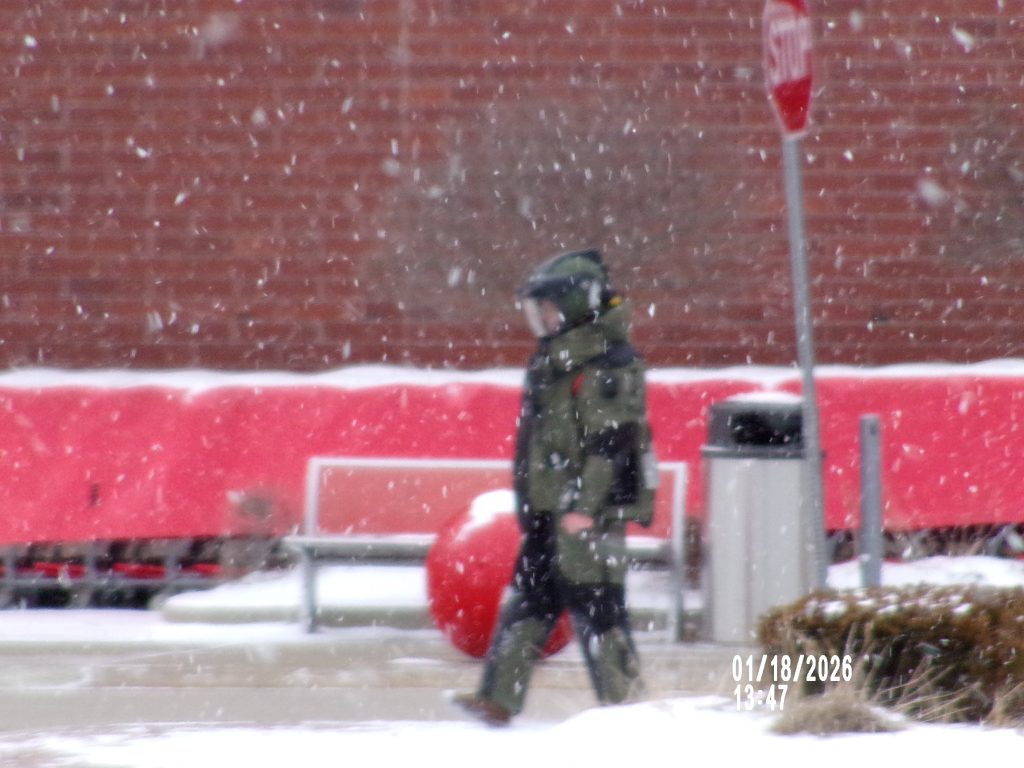
07:45 pm Deer Trace Mall – Bomb Threat – Milwaukee Bomb Squad – Videos from the scene FYI – Not sure why the date is off a day on the overlays but date is 1/17/18 and i believe the time is correct
07:30 pm Deer Trace Mall – Bomb Threat – Milwaukee Bomb Squad – Videos from the scene FYI – Not sure why the date is off a day on the overlays but date is 1/17/18 and i believe the time is correct
07:15 pm 30xx Erie Ave – Subject difficulty breathing
07:00 pm 11xx Lincoln Ave – Structure fire
06:45 pm 10xx Maryland Ave – Subject with Bleach in eye?
06:30 pm 12xx Carmen Ave – Previous concussion – Now dizzy & Vomiting
06:15 pm 24xx South 17th – Possible vehicle on fire in garage
06:00 pm 9xx Huron Ave – Subject in pain
05:45 pm 14th & Erie – Vehicle VS Bicyclist – Subject not conscious but is believed to be breathing
05:30 pm 28 & F – Automatic crash notification
05:15 pm 13th & Lincoln to Geele
14th & Marie Ct
Perimeter being set in the area
Large Police Presence
05:00 pm 12xx N 18th st – Fire Alarm Active
04:45 pm 10xx Wilson Ave – Medical pendant activated
04:30 pm Ayy DB SPD – I know you might not care about your own life getting killed and all but next time HAVE THE CAR PULL UP 100 YARDS OR SO FORWARD!!!Maybe you should think about the safety of the individual in the car your pulling over when someone smashes into your squad because you think it’s a great idea to pull someone over right on the corner.There’s no need to sit dead nuts on the corner of 14th and Indiana Ave facing East bound and be in the middle of the cross walk for a stupid traffic stop. No traffic stop is that serious to sit there and inpeed traffic and risk getting hit.When I first pulled up on scene you were standing in live lane of traffic on the vehicles driver side. Then you realized that was stupid and when you approached the vehicle the second time and saw you had eyes watching you then you went to the passenger side cuz you knew that was safer then having your ASS sticking out in traffic.
04:15 pm 7xx Pine Dr – Fire Alarm Active
04:00 pm 50xx Blackstock Rd – Fire alarm active
03:45 pm 15th & Union – House that SWAT just breached now has a smell of natural gas – FD called to scene per SPD
03:30 pm SWAT TEAM IS ON SCENE AT 15TH AND UNION
03:15 pm Something going down on 16-17th possibly near Union Ave – Sirens heard cops yelling something over megaphone – let us know what you hear
3:00 pm 31xx Playbird Rd – Female having difficulty breathing
02:45 pm There ya go folks. Proof the City of Sheboygan doesn’t have City DPW Operators out keeping our streets safe at night like they should be right now. Roads are slick sliding through intersections doing the speed limit and not a single Salt truck out salting our roads.
02:30 pm CITY OF SHEBOYGAN DPW – TIME TO GET OUTTA BED!!!! THESE ROADS ARE SLICKING UP – GROUND TEMPS FALLING BELOW FREEZING
02:15 pm 27xx North Ave – Subject having mental crisis – Injured self pretty bad by sounds of it also attempting to jump in front of vehicles – Please avoid area if possible
02:00 pm 22xx N 20th – Subject having a seizure
01:45 pm 33xx Superior Ave – Shortness of breath
01:30 pm 17xx N 8th – Subject difficulties breathing
01:15 pm 15xx N 23rd – Subject with chest pain & Irregular heart rate
01:00 pm 12xx Eisner Ave – Subject fell out of chair
12:45 pm 1xx Thelma St? – Subject fell
12:30 pm 39xx South 18th – 2 Vehicle accident
12:15 pm the Silver alerts work for any other county but still conveniently don’t work for our county hmmmm…….. 2 gone (Rip) and no silver alerts sent out even in a attempt to try. Nada. Sheboygan y’all pathetic. Do better for our elders!!!! They deserve it.
12:00 pm W43xx County Rd D – CO Alarm
11:45 am 37xx Superior Ave – Subject not feeling well – Not Breathing normally – Hasn’t Slept for days -Orange Cross Taking this City Of Sheboygan Call
11:30 am All City Ambulance Rigs busy – Orange Cross getting paged for City Of Sheboygan
11:15 am 9xx South Taylor Dr – Subject having full body pain – Not breathing normally
11:00 am 9xx Huron Ave – Subject not feeling well
10:45 am 9xx Ontario Ave – Subject about to have seizure
10:30 am 10xx Alabama Ave – Dryer on fire in basement
10:15 am Incident this morning involving a possible deceased individual with blood on front door steps on the 42xx block of South 12th Street. Sheboygan Police department, Sheboygan FD and Sheboygan county Corner was spotted on scene. Drones were also located in the skys around the scene and nearby blocks.
10:00 am 14xx Pilgrim Rd – Electrical box seen arching
09:45 am 15xx Nutmeg Ct – Subject has severe cold feeling weak not breathing normally
09:30 am Persnickety Place – Subject slipped on ice – Injury to knee?
09:15 am 10th & Clara Ave – Firetruck vs Slick Roads – Roads won – Now they get to sit and wait till City DPW comes and salts
09:00 am 10xx Larkspur Road – Subject with chest pain
08:45 am 11xx Geele Ave – Medical port bleeding
08:30 am 20xx New Jersey Ave – Intoxicated individual – Abdominal, chest and head pain.
08:15 am Plows better start working on those roads while there ahead. There’s no need for any accidents tonight when they can totally be avoided by plowing and salting these roads constantly. We’ve had plenty enough warning to know this system was coming and we also know the temps are gonna drop. Get ahead of it. So far haven’t seen one plow at least on the interstates. Let’s go Sheboygan County and City of Sheboygan – Get those operators out there!!! No screwing around today – Time we start putting that extra wheel tax and Road taxes to use here and keeping our roads safe so nobody crashes today loses their vehicles or even worse loses a life. Let’s keep all these roads clear today!!!
08:00 am Large police activity behind POSC/Theos – Business & Washington
07:45 am N49xx county E (Plymouth) – Stove fire –
07:30 am Sunset Ave – Possible deceased subject in 40’s
07:15 am These are the guys called Northern Snow that’s helping Bob.
07:00 am Earlier – Random lake – Snow Mobile rolled over – All units back in service now
06:45 am Early learning center – Fire Alarm Pull Station was pulled – Staff & Alarm company reporting they were just testing – FD still responded to “collect information”
This live public safety audio stream is available online by simply clicking the play button, making it easy to monitor County Police, Fire, and EMS communications from any device without the need for special software. Whether you are a local resident, public safety enthusiast, journalist, or researcher, this County scanner feed offers reliable, up-to-date insight into county-wide emergency operations and public safety incidents.
Sheboygan County Police Scanner Guide (Wisconsin)
Monitoring a Sheboygan County Police Scanner is one of the most effective ways to stay informed about emergency incidents, weather events, public safety activity, and local response operations in eastern Wisconsin. Scanner listeners can hear real-time communications from law enforcement, fire departments, EMS units, and emergency management agencies operating across the county.
Sheboygan County uses a modern digital public safety radio network that allows multiple agencies to coordinate responses efficiently. For radio hobbyists, emergency preparedness enthusiasts, and residents interested in local communications, understanding how the system works is essential.
This guide explains Sheboygan County police scanner frequencies, talkgroups, radio systems, monitoring techniques, and equipment recommendations so you can listen effectively and responsibly.
Sheboygan County Police Scanner Frequencies
Most public safety radio communications in Sheboygan County operate on a digital trunked radio network in the 800 MHz public safety band. These frequencies are shared dynamically among agencies.
Common trunked system frequencies include:
| Frequency (MHz) | Purpose |
|---|---|
| 851.3125 | System voice channel |
| 851.6125 | System voice channel |
| 852.1250 | Voice traffic |
| 852.1500 | Voice traffic |
| 852.6250 | Voice traffic |
| 853.0750 | Voice traffic |
| 853.3125 | Control channel |
| 853.5125 | Control channel |
| 853.6250 | Alternate control |
| 853.7250 | Alternate control |
These frequencies form the backbone of the countywide digital trunked system used by police, fire, and EMS agencies.
Listeners using digital scanners must program the control channels so the radio can automatically follow talkgroups.
Talkgroup IDs
Instead of using separate frequencies for each agency, trunked radio systems assign talkgroup IDs.
Important talkgroups in Sheboygan County include:
| Talkgroup ID | Agency | Usage |
|---|---|---|
| 60441 | Sheriff’s Office | Primary dispatch |
| 60442 | Sheriff’s Office | Secondary channel |
| 60443 | Sheriff’s Office | Court / bailiffs |
| 60444 | Sheriff’s Office | Corrections |
| 60330 | County Fire / EMS | Primary dispatch |
| 60331 | Fire / EMS | Secondary |
| 60295 | Sheboygan Police | Primary (encrypted) |
| 60296 | Sheboygan Police | Secondary |
| 60181 | Plymouth Police | Dispatch |
Some city police channels use encryption, which prevents scanners from decoding the audio. (wisconsinradio.org)
Radio System Type
Sheboygan County operates a Project 25 (P25) Phase I digital trunked radio system.
Key features include:
- APCO P25 digital voice
- trunked channel management
- digital talkgroups
- interoperability with neighboring counties
- encrypted tactical channels
The system replaced an older analog Motorola trunked system when it launched in 2016.
Trunked System Details
The system uses a multi-site trunked architecture.
Technical characteristics:
- WACN: BEE00
- System ID: 873
- Multiple voice channels
- Dedicated control channel
- dynamic frequency assignment
This design allows dozens of agencies to share a limited number of frequencies efficiently.
Encryption Status
Not all radio traffic is accessible to scanners.
Typical monitoring situation:
Open communications:
- Fire dispatch
- EMS dispatch
- public works
- county highway department
- some sheriff operations
Encrypted communications:
- many police tactical channels
- Sheboygan Police primary dispatch
- investigative talkgroups
Encrypted transmissions produce silence or digital noise on scanners.
Local Agencies Using the Scanner System
Many agencies operate on the Sheboygan County public safety network.
Major users include:
Law enforcement:
- Sheboygan County Sheriff’s Office
- Sheboygan Police Department
- Plymouth Police Department
- Sheboygan Falls Police Department
Fire departments:
- Sheboygan Fire Department
- Plymouth Fire Department
- Adell Fire Department
- Cedar Grove Fire Department
EMS services:
- Sheboygan County EMS
- municipal first responder units
Other users include public works and transportation agencies.
Dispatch Centers
Emergency radio traffic is coordinated by centralized dispatch.
Key centers include:
Sheboygan County Emergency Communications Center
Responsibilities:
- 911 call handling
- police dispatch
- fire dispatch
- EMS coordination
- mutual aid coordination
Dispatchers communicate with units using radio consoles connected to the trunked system.
Real Incident Monitoring
Listening to a Sheboygan County police scanner often reveals incidents such as:
- traffic crashes
- medical emergencies
- fires
- hazardous materials incidents
- search and rescue operations
- weather emergencies
Fire dispatch talkgroups typically provide the most consistent public monitoring access.
Daily or Weekly Scanner Logs
Many scanner enthusiasts keep incident logs.
Example monitoring log:
Monday:
- 07:20 – EMS medical call in Plymouth
- 11:45 – vehicle crash on I-43
- 16:10 – structure fire in Sheboygan Falls
These logs help hobbyists track trends in emergency responses.
Scanner Feed Information
Online live feeds are available through streaming services operated by volunteers.
Typical feeds include:
- county fire dispatch
- EMS channels
- public safety interoperability channels
Police channels may be absent due to encryption.
Coverage Area
The Sheboygan County radio network covers:
- City of Sheboygan
- Plymouth
- Sheboygan Falls
- Elkhart Lake
- Random Lake
- rural townships
The system provides reliable communication across urban and rural areas.
Radio Tower Locations
Public safety towers are positioned to maximize coverage.
Common locations include:
- Sheboygan city tower sites
- rural communications towers
- emergency management facilities
- water towers and elevated structures
Multiple towers allow simulcast coverage across the county.
Radio Signal Coverage
The 800 MHz public safety band provides strong coverage in populated areas but can experience reduced signal strength in:
- dense buildings
- valleys
- underground structures
Outdoor antennas greatly improve reception.
Antenna Recommendations
Scanner reception improves significantly with proper antennas.
Recommended options:
Indoor:
- telescopic scanner antennas
- window-mounted antennas
Outdoor:
- discone antennas
- 800 MHz tuned antennas
- rooftop antennas
Outdoor antennas provide the best performance.
Scanner Equipment Recommendations
Recommended digital scanners include:
- Uniden SDS100
- Uniden SDS200
- Uniden BCD436HP
- Whistler TRX-1
- Whistler TRX-2
These models support P25 digital trunked radio systems, which are required for Sheboygan County monitoring.
SDR (Software Defined Radio) Guides
A low-cost alternative to scanners is software defined radio (SDR).
Popular hardware:
- RTL-SDR USB receivers
Software options:
- SDRTrunk
- DSDPlus
- Unitrunker
SDR systems can decode P25 digital radio traffic when configured correctly.
Mobile Scanner Apps
Mobile apps provide live scanner feeds.
Popular options:
- Broadcastify
- Scanner Radio
- 5-0 Radio
These apps stream scanner audio provided by volunteers.
Local Emergency Response Structure
Emergency responses in the county follow a structured system:
- 911 call received
- dispatcher assigns units
- incident commander establishes radio channel
- mutual aid units activated if necessary
This structure ensures coordinated responses.
Emergency Alert Channels
In addition to public safety communications, scanners can monitor:
- emergency management channels
- statewide interoperability channels
- disaster coordination channels
These channels activate during major incidents.
Weather Monitoring Channels
Weather monitoring frequencies include NOAA Weather Radio.
Typical NOAA frequency used in the region:
- 162.550 MHz
Weather alerts provide early warnings for:
- severe thunderstorms
- tornadoes
- blizzards
- flooding
Scanner Listening Tips
For better reception:
- program trunked systems correctly
- use an external antenna
- place scanners near windows
- update frequency databases regularly
Avoid programming obsolete analog frequencies.
Simulcast Distortion Information
Simulcast systems transmit from multiple towers simultaneously.
This can cause reception issues called simulcast distortion.
Radios designed for simulcast environments (such as Uniden SDS series) perform better.
Frequency Updates
Scanner databases change periodically.
Updates may include:
- new talkgroups
- agency changes
- new tower sites
- encryption changes
Always update scanner programming regularly.
Radio System Upgrades
Public safety radio systems evolve over time.
Possible future upgrades include:
- P25 Phase II
- additional 700 MHz frequencies
- improved interoperability
These changes improve network capacity.
Historical Scanner Events
Major incidents monitored on scanners have included:
- winter storm emergency responses
- large fires
- major highway accidents
- Lake Michigan search and rescue operations
These events often generate extensive radio traffic.
Emergency Preparedness Information
Scanner monitoring supports preparedness.
Residents can hear:
- evacuation instructions
- severe weather alerts
- emergency response coordination
This information helps communities respond quickly.
Scanner Laws
In Wisconsin:
- owning a scanner is legal
- using scanners while committing crimes is illegal
- rebroadcasting certain communications may violate laws
Always use scanners responsibly.
FCC Licensing Information
Public safety radio systems are licensed by the Federal Communications Commission (FCC).
Licenses specify:
- frequency allocations
- transmitter locations
- power limits
- emission types
Radio Communication Terminology
Common terms heard on scanners:
Dispatch – communication center
Unit – responding officer or apparatus
Clear – incident completed
En route – traveling to scene
Command – incident commander
Understanding these terms improves monitoring.
Public Safety Communication Systems
The county system integrates multiple agencies into one network.
Benefits include:
- faster coordination
- improved coverage
- shared communication channels
Real Photos or Maps
Scanner enthusiasts often map:
- radio tower locations
- dispatch zones
- signal coverage areas
Mapping helps determine the best monitoring locations.
Local News Context
Local media outlets sometimes reference scanner traffic when reporting breaking news.
Scanner listeners often hear incidents before they appear in news reports.
Scanner Hobby Community Insights
Many enthusiasts share information online.
“I love following the scanner; it’s kind of a knee-jerk reaction every time I hear a siren.
Community collaboration helps identify new talkgroups and frequencies.
Community Reports
Scanner hobbyists frequently report:
- new radio activity
- system upgrades
- encryption changes
These reports help maintain updated frequency lists.
Troubleshooting Scanner Problems
Common issues include:
- poor antenna placement
- incorrect trunking setup
- outdated frequency databases
- encrypted channels
Correct programming solves most problems.
Step-by-Step Scanner Setup
Basic setup process:
- choose a digital scanner
- load RadioReference database
- select Wisconsin
- select Sheboygan County
- enable trunked system
- scan talkgroups
Once configured, the scanner automatically follows conversations.
Radio Interoperability Channels
Interoperability channels allow communication between agencies.
Examples include:
- statewide mutual aid channels
- tactical fireground channels
- regional disaster communications channels
Public Safety Communication Trends
Modern trends include:
- increasing encryption
- digital radio adoption
- statewide interoperability networks
- improved disaster communications
Local Emergency Management Agencies
Sheboygan County Emergency Management coordinates:
- disaster response
- hazardous materials incidents
- severe weather planning
They also maintain communication interoperability plans.
Coverage Limitations
Reception may be weaker in:
- rural valleys
- dense buildings
- basements
External antennas reduce these limitations.
Real Listener Feedback
Listeners report that fire and EMS channels provide the most consistent monitoring access, while police traffic may be encrypted.
Scanner Feed Reliability Information
Live feeds depend on volunteers.
Feeds may disappear when:
- equipment fails
- internet connections drop
- feed providers stop streaming
Monitoring Safety Advice
Never interfere with emergency responders.
Scanner monitoring should be passive and informational only.
Source Transparency
Reliable scanner information comes from:
- FCC licensing data
- scanner hobby databases
- radio monitoring communities
- public safety documentation
Dispatch Codes and Radio Codes
Dispatchers sometimes use codes.
Examples include:
10-4 – message received
10-8 – in service
10-20 – location
Many agencies now use plain language.
Radio Call Signs
Radio units often use call signs like:
- Engine 1
- Medic 3
- Squad 7
- Sheriff 12
These identifiers help dispatch track resources.
Fire Department Response Levels
Fire departments operate with structured response levels:
- first alarm
- second alarm
- mutual aid response
Each level adds additional resources.
Dispatch Zones or Districts
Police and fire agencies divide the county into zones.
These zones help dispatch assign units quickly.
Mutual Aid Channels
Mutual aid channels allow assistance between neighboring counties.
These channels become active during large incidents.
Event Monitoring
Scanners may monitor communications during events such as:
- festivals
- sporting events
- parades
- large gatherings
Temporary talkgroups may be created.
Amateur Radio Emergency Nets
Local amateur radio operators provide backup communication during disasters.
These emergency nets support emergency management agencies.
Disaster Communication Systems
Backup communication systems may include:
- satellite communications
- amateur radio networks
- mobile command vehicles
Incident Command Structure
Large incidents follow the Incident Command System (ICS).
Radio traffic often includes:
- command channel
- operations channel
- staging channel
Radio Traffic Examples
Example dispatch transmission:
“Engine 2 and Medic 5 respond to a medical call, 123 Main Street.”
This type of communication is typical on fire dispatch channels.
Frequency Band Explanations
Common scanner bands include:
VHF – rural agencies
UHF – municipal systems
700/800 MHz – modern trunked public safety systems
Sheboygan County primarily uses the 800 MHz band.
Radio Propagation Information
Radio signals travel differently depending on:
- terrain
- building density
- atmospheric conditions
Higher frequencies provide shorter range but clearer digital signals.
Scanner Hobby History
Scanner listening became popular in the 1970s when public safety radios used analog VHF systems.
Today’s digital systems require more advanced equipment.
Monitoring Etiquette
Responsible monitoring includes:
- respecting privacy
- not interfering with responders
- avoiding rumor spreading
Frequency Programming Files
Many scanner software programs allow importing frequency files.
These files include:
- trunked system data
- talkgroups
- alpha tags
Scanner Software Guides
Programming software options:
- Sentinel (Uniden)
- ARC-XT
- ProScan
These tools simplify scanner configuration.
Scanner Comparison Guides
Important scanner features:
- P25 digital decoding
- trunking support
- simulcast compatibility
- database updates
Backup Communication Systems
During outages, agencies may switch to:
- conventional radio channels
- mutual aid frequencies
- mobile repeaters
Emergency Communication Drills
Public safety agencies conduct communication drills to test:
- radio coverage
- interoperability
- disaster response coordination
Radio Interference Issues
Interference can come from:
- nearby electronics
- cellular towers
- overlapping frequencies
Proper antennas reduce interference.
Radio Monitoring Safety During Emergencies
Avoid traveling to emergency scenes based on scanner traffic.
This can interfere with emergency operations.
Future Radio System Changes
Possible future upgrades may include:
- additional encryption
- expanded trunked networks
- next-generation public safety broadband integration
Public Safety Dispatch Protocols
Dispatchers follow strict protocols including:
- call prioritization
- incident classification
- unit tracking
- multi-agency coordination
Cross-County Coordination
Neighboring counties coordinate through regional interoperability channels during large incidents.
Scanner Feed Delay
Online scanner feeds typically include 30–60 seconds delay to protect operational safety.
System Maintenance and Testing
Radio systems are periodically tested.
Listeners may hear:
- radio check calls
- test tones
- system maintenance announcements
Temporary and Event Channels
Temporary talkgroups may appear during:
- disasters
- large events
- interagency operations
Tactical vs Dispatch Channels
Dispatch channels handle routine calls.
Tactical channels are used for:
- investigations
- high-risk incidents
- coordinated operations
Interagency Task Force Channels
Regional task forces may operate on shared radio channels during major incidents.
Emergency Alert System Integration
Public safety agencies coordinate with the Emergency Alert System to broadcast warnings through radio and television.
Backup Power for Towers
Radio towers include backup generators to maintain communications during power outages.
Radio Communication Training
Emergency responders undergo extensive radio training to ensure clear communication during emergencies.
This Sheboygan County Police Scanner guide provides a complete overview of how to listen to local public safety radio communications. With the right equipment and knowledge, scanner listeners can gain valuable insight into emergency response operations across Sheboygan County.
Airport and Aviation Frequencies
Sheboygan County scanner listeners can also monitor aviation communications from Sheboygan County Memorial Airport and nearby regional air traffic operations. Aviation radio traffic typically uses the VHF airband (118–136 MHz) and remains analog, making it easy for most scanners to receive.
Common aviation frequencies in the area include:
| Frequency (MHz) | Usage |
|---|---|
| 118.000 | Common traffic advisory frequency |
| 121.700 | Ground operations |
| 122.800 | Local aircraft traffic |
| 124.600 | Regional air traffic communication |
Monitoring aviation channels allows listeners to hear:
- pilot approach and departure calls
- ground control instructions
- medical helicopter coordination
- aircraft emergency situations
Medical helicopters responding to incidents in Sheboygan County often coordinate with local dispatch and hospital landing zones, creating interesting cross-communications between aviation and public safety channels.
Railroad Frequencies
Freight rail traffic operates throughout Sheboygan County and nearby regions. Railroad communications typically use the Association of American Railroads (AAR) VHF band between 160–162 MHz.
Common railroad channels in the region include:
| Frequency (MHz) | AAR Channel | Usage |
|---|---|---|
| 160.230 | AAR 08 | Road channel |
| 160.320 | AAR 14 | Dispatch operations |
| 160.515 | AAR 27 | Yard operations |
| 161.070 | AAR 63 | Regional coordination |
Railroad radio traffic may include:
- train dispatch instructions
- track maintenance communications
- crossing signal reports
- emergency rail incidents
Railroad monitoring can provide early awareness of railway accidents, hazardous material shipments, or crossing malfunctions that may affect local communities.
Marine Radio Channels
Because Sheboygan County sits along the western shoreline of Lake Michigan, marine radio traffic can also be monitored with a standard scanner. Marine communications use VHF marine band channels between 156–162 MHz.
Important marine frequencies include:
| Frequency (MHz) | Marine Channel | Purpose |
|---|---|---|
| 156.800 | Channel 16 | Distress and emergency |
| 156.450 | Channel 9 | Recreational hailing |
| 156.650 | Channel 13 | Bridge-to-bridge navigation |
| 157.050 | Channel 21 | U.S. Coast Guard liaison |
Monitoring marine radio channels may reveal:
- boating distress calls
- Coast Guard safety broadcasts
- harbor master communications
- search and rescue operations
Temporary or Special Event Radio Channels
During large public gatherings in Sheboygan County such as festivals, parades, fairs, or sporting events, public safety agencies may activate temporary radio talkgroups or event channels on the county trunked radio system.
These channels are typically used for:
- event security coordination
- traffic control operations
- crowd management
- medical standby units
Event talkgroups are usually temporary and may not always appear in scanner databases. Scanner hobbyists sometimes identify these channels during events and share them with the monitoring community.
System Maintenance and Radio Testing
Public safety radio systems require regular maintenance to ensure reliable communications. Scanner listeners in Sheboygan County may occasionally hear radio test transmissions or system maintenance activity.
Examples of maintenance traffic include:
- dispatcher radio checks
- tower testing announcements
- system diagnostics
- backup generator tests
These tests are typically scheduled during low-activity periods such as early morning hours.
Radio Monitoring During Severe Weather
Scanner monitoring becomes especially valuable during severe weather events affecting Sheboygan County.
Radio traffic may increase significantly during:
- tornado warnings
- severe thunderstorms
- winter storms and blizzards
- flooding events along Lake Michigan
Emergency management, fire departments, and law enforcement units coordinate response operations through the public safety radio network during these situations.
Monitoring scanner traffic during severe weather can provide real-time situational awareness before official news updates are released.
Scanner Feed Delay and Operational Security
Online live scanner feeds are intentionally delayed to protect emergency responders.
Most public scanner streams introduce a 30 to 60 second delay between the actual radio transmission and the audio heard by listeners.
This delay helps prevent individuals from using scanner feeds to interfere with law enforcement or emergency operations.
Because of this delay, live feeds may not reflect incidents exactly in real time.
Radio Dispatch Zones and Patrol Districts
Public safety agencies in Sheboygan County often divide the county into dispatch zones or patrol districts. These zones help dispatchers assign units efficiently and ensure faster response times.
For example, sheriff’s deputies may be assigned to specific patrol areas that cover different parts of the county such as:
- northern rural townships
- central highway corridors
- urban areas near the City of Sheboygan
- lakeshore communities
When listening to a Sheboygan County police scanner, dispatchers may reference these patrol areas or zones when assigning calls. Understanding these geographic divisions helps scanner listeners interpret radio traffic more easily.
Cross-County and Regional Radio Coordination
Emergency incidents sometimes require coordination between multiple counties in eastern Wisconsin. Sheboygan County agencies may communicate with neighboring jurisdictions through interoperability channels.
Regional coordination may occur with agencies from:
- Manitowoc County
- Fond du Lac County
- Ozaukee County
- Washington County
These communications often use statewide mutual aid talkgroups or interoperability frequencies, allowing police, fire, and EMS agencies from different counties to work together during large incidents, disasters, or multi-agency operations.
Frequency Programming Files for Popular Scanners
Many modern scanners allow users to import prebuilt frequency programming files instead of entering channels manually. These files contain trunked system data, talkgroups, and frequency assignments for Sheboygan County.
Programming files are commonly available for software such as:
- Uniden Sentinel
- ARC-XT and ARC-536
- ProScan
- SDRTrunk configuration files
These files simplify scanner setup and help ensure listeners are monitoring the correct Sheboygan County scanner frequencies and talkgroups.
Radio Communication Training for Public Safety Personnel
Public safety agencies in Sheboygan County train officers, firefighters, and EMS personnel on proper radio communication procedures.
Training typically includes:
- clear radio speech techniques
- correct dispatch protocols
- emergency radio procedures
- incident command communications
Effective radio discipline ensures dispatchers and field units can exchange information quickly during emergencies.
Public Safety Radio System Documentation
Detailed documentation exists for most public safety radio networks, including the Sheboygan County system. Technical documents often describe:
- tower site locations
- coverage maps
- system architecture
- maintenance schedules
- interoperability plans
Scanner hobbyists and researchers sometimes use publicly available documents to better understand how the county public safety radio network operates.
Real Incident Monitoring
Listening to the Sheboygan County Police Scanner provides insight into how emergency services respond to real incidents across the county. Scanner traffic often reveals developing situations before they appear in news reports, particularly during major emergencies or severe weather events.
Examples of incidents commonly heard on the Sheboygan County scanner include traffic accidents along Interstate 43, structure fires in residential neighborhoods, and medical emergencies requiring ambulance response.
Example monitoring scenario:
Winter Storm Response
During a major winter storm affecting eastern Wisconsin, scanner listeners heard multiple calls involving stranded motorists on I-43 and rural highways. Dispatchers coordinated responses between the sheriff’s office, highway department plows, and EMS units responding to weather-related accidents.
Example monitoring scenario:
Lake Michigan Rescue
During summer boating season, radio traffic occasionally involves rescue operations along the Lake Michigan shoreline. Fire and EMS units may coordinate with marine rescue teams when boaters report distress or swimmers require assistance near local beaches.
Example monitoring scenario:
Industrial Fire Response
Manufacturing facilities in the Sheboygan area sometimes generate fire department responses. Scanner listeners may hear dispatch sending multiple engine companies and ladder trucks to investigate smoke conditions or activated fire alarms.
These real-world examples demonstrate how scanner monitoring helps listeners understand emergency response activity in their community.
Radio Traffic Examples
Understanding the format of radio communications helps scanner listeners interpret conversations between dispatchers and responding units. Public safety radio traffic typically follows short, clear transmissions.
Example dispatch conversation 1 – Traffic accident
Dispatcher: “Sheboygan County units, respond to a two-vehicle crash on Interstate 43 northbound near mile marker 130.”
Deputy 214: “214 responding from County Road OK.”
Dispatcher: “214, be advised one vehicle may be blocking the right lane.”
Deputy 214: “Copy, en route.”
Example dispatch conversation 2 – Medical emergency
Dispatcher: “Medic 3 and Engine 2 respond to a medical call at 742 Michigan Avenue, patient reporting chest pain.”
Medic 3: “Medic 3 responding.”
Engine 2: “Engine 2 responding from station.”
Dispatcher: “Time out 14:27.”
Example dispatch conversation 3 – Structure fire
Dispatcher: “All units respond to a possible structure fire, 1145 North 15th Street, caller reports smoke from the roof.”
Engine 1: “Engine 1 responding.”
Ladder 1: “Ladder 1 en route.”
Command: “Engine 1 establishing command on arrival.”
Example dispatch conversation 4 – Weather related emergency
Dispatcher: “Units be advised, multiple reports of downed trees near County Road PP and Highway 28.”
Highway Unit: “County Highway responding with chainsaw crew.”
Deputy 118: “118 en route for traffic control.”
These examples illustrate the concise style of public safety radio communications used by dispatch centers.
Real Listener Feedback
Scanner hobbyists often share their experiences monitoring the Sheboygan County police radio system. Many listeners enjoy following local emergency activity and learning how public safety agencies coordinate responses.
Common feedback from scanner enthusiasts includes observations about the variety of radio traffic and how fire dispatch channels remain the most accessible for monitoring.
Examples of listener feedback:
A local scanner enthusiast explained that fire and EMS dispatch channels provide the most consistent activity throughout the day. Medical calls, traffic accidents, and alarm activations occur frequently and provide interesting monitoring opportunities.
Another hobbyist noted that listening to scanner traffic during severe weather provides early awareness of storm damage reports, road closures, and emergency responses before official announcements are released.
Some listeners also enjoy tracking mutual aid responses when multiple fire departments from nearby communities respond to large incidents.
Community discussions about scanner activity often appear on local radio hobby forums and online monitoring groups where listeners share new frequencies, talkgroups, and reception tips.
Coverage Area
The Sheboygan County public safety radio system provides coverage across the entire county, including urban areas, lakeshore communities, and rural farmland. Radio towers are strategically positioned to maintain strong signal coverage throughout the region.
Major communities within the coverage area include:
- City of Sheboygan
- Plymouth
- Sheboygan Falls
- Elkhart Lake
- Cedar Grove
- Random Lake
- Oostburg
- Kohler
Scanner listeners can often hear radio traffic from incidents occurring along major transportation routes such as:
- Interstate 43
- Wisconsin Highway 23
- Wisconsin Highway 28
- Wisconsin Highway 32
- Wisconsin Highway 42
These highways generate a significant amount of emergency radio traffic because they carry large volumes of commuter and commercial vehicle traffic.
Rural areas of the county also produce scanner activity involving farm accidents, brush fires, and medical responses in smaller townships.
Because the radio network uses multiple towers across the county, most residents within Sheboygan County can receive scanner transmissions clearly with a properly configured digital scanner and suitable antenna.
During major weather events or boating accidents on Lake Michigan, marine radio traffic may become highly active and may coordinate with county emergency services and fire rescue units.
Sheboygan County Wisconsin Live Audio Feeds provide real-time access to public safety communications throughout Sheboygan County, WI, with dedicated coverage of county police scanner, Fire, and EMS dispatch services. Through the live county police scanner feed, listeners can stay informed about emergency responses, police activity, fire calls, medical dispatches, and first responder operations as they happen.
The Sheboygan Scanner has become a trusted source for real-time local updates, helping residents stay informed about police, fire, and emergency activity. Many people rely on the Sheboygan scanner today or Sheboygan scanner live today to follow breaking incidents as they happen. Whether it’s the Sheboygan police scanner, Sheboygan county scanner live, or Sheboygan night scanner, listeners can access timely information about accidents, dispatch calls, and public safety alerts. Platforms like Sheboygan scanner Facebook, Sheboygan scanner Twitter, and even free live feeds make it easy to stay connected without paying subscription fees. For those looking for Sheboygan scanner today free, online scanner feeds and apps provide instant access. From daytime alerts to the popular Sheboygan night scanner live, this local scanner network plays an important role in keeping the Sheboygan community aware and prepared.
Alongside scanner activity, many locals also follow Sheboygan scanner news to track incidents like a Sheboygan car accident today, county dispatch updates, or sheriff responses. The Sheboygan county police scanner and Sheboygan county sheriff scanner often provide insight into traffic accidents, fire department calls, and emergency responses across the region. During late hours, the Sheboygan night scanner today live is especially popular for monitoring overnight activity. Users also search for Sheboygan accident today live, Sheboygan county accident reports, or even fatal Sheboygan accident today to stay updated on serious incidents. With growing interest in Wisconsin scanner and southeast Wisconsin scanner feeds, Sheboygan remains one of the most searched areas. Accessing a Sheboygan scanner app or online feed allows residents to follow local developments in real time.
Beyond emergency updates, many people turn to The Sheboygan Press for verified local reporting, including Sheboygan press news, Sheboygan press obituaries, and official death notices. Searches like Sheboygan obituaries today, Sheboygan press obituaries past 3 days, and recent Sheboygan county deaths show how important accurate obituary information is for the community. The Sheboygan Press obituary section and legacy obituaries Sheboygan help families share remembrance notices with dignity. Residents often cross-check scanner reports with Sheboygan press recent obituaries or Sheboygan county obituaries for confirmation. By combining trusted journalism from the Sheboygan Press newspaper with real-time updates from the Sheboygan scanner live, locals get a complete picture of what’s happening in Sheboygan County—both urgent events and community milestones.